
 Mate crime can come in a variety of shapes and sizes, which can make it extremely difficult to recognise
Autistic people are at higher risk of mate crime, which also imposes an increased risk when traveling. So, what exactly is mate crime?
Mate Crime can be defined as the intentional befriending of a person in order to take advantage of that person – in this case, an autistic person. What this consists of can vary greatly, but it can involve money, accommodation, personal belongings, and one’s personal transport. Duress or intimidation may be applied upon refusal or to prevent refusal from even happening.
Unfortunately, autistic individuals are at high risk of this happening as many struggle with forming and maintaining friendships or can misinterpret a relationship which might seem like a friendship – even if the other party starts engaging in aggressive and degrading behaviors. If someone shows an interest in the autistic individual, then the negatives of the relationship can often be ignored. This can result in the autistic person putting the needs of their perceived friend before themselves, due to (but not exclusively) conflict avoidance and challenges with executive functioning – which can be prevailing autistic traits. While allistic persons are more likely to speak up at the risk of upsetting or getting into an argument with the other party, an autistic person is probably more likely to allow the behavior to slide. Sometimes it might not even be obvious there is a problem until someone else raises the issue.
So, how does this fit into traveling? Well, in many countries, sellers rely on both overtly friendly tactics and pressure tactics to get tourists to buy their product or service. This can often extend into the realm of scams and other fraudulent activity – which can often be hard to recognize initially. Scams are sadly often part of the travel experience, they are everywhere. The type of scams which are commonplace vary from location to location. It’s when sellers and scammers engage in seemingly friendly behavior with tourists that the real risk of mate crime for autistic travelers comes to light.
Sometimes, after approaching you, they might try to lead you to their family’s business. Beggars might ask politely for money and try to take you to others to give more money to them too. Someone might offer nicely to take a group photo or offer you something ‘free of charge’ only to demand money afterwards, someone might talk a great deal about the value of a product only for it to be a fake or heavily overpriced. These are all real situations I have encountered at least once or been made aware of by other travelers. Another commonplace occurrence I’ve encountered several times is people misleading you under the guise of friendly advice, wherein they will inform you that the place you are trying to go is closed or booked out and will try to take you with them to wherever it is they want you to go.
While these people obviously aren’t trying to befriend you in the long term, the pattern of behavior is the same in which they use a facade of friendliness to get what they want out of you. Which, unfortunately, might even extend into pushy or aggressive behavior when you refuse.
Another thing to consider about mate crime while traveling is the other guests you encounter at your accommodation – particularly hostels. I have personally found that these types of individuals are far and few between due to the nature of hostels, but that doesn’t mean they don’t exist.
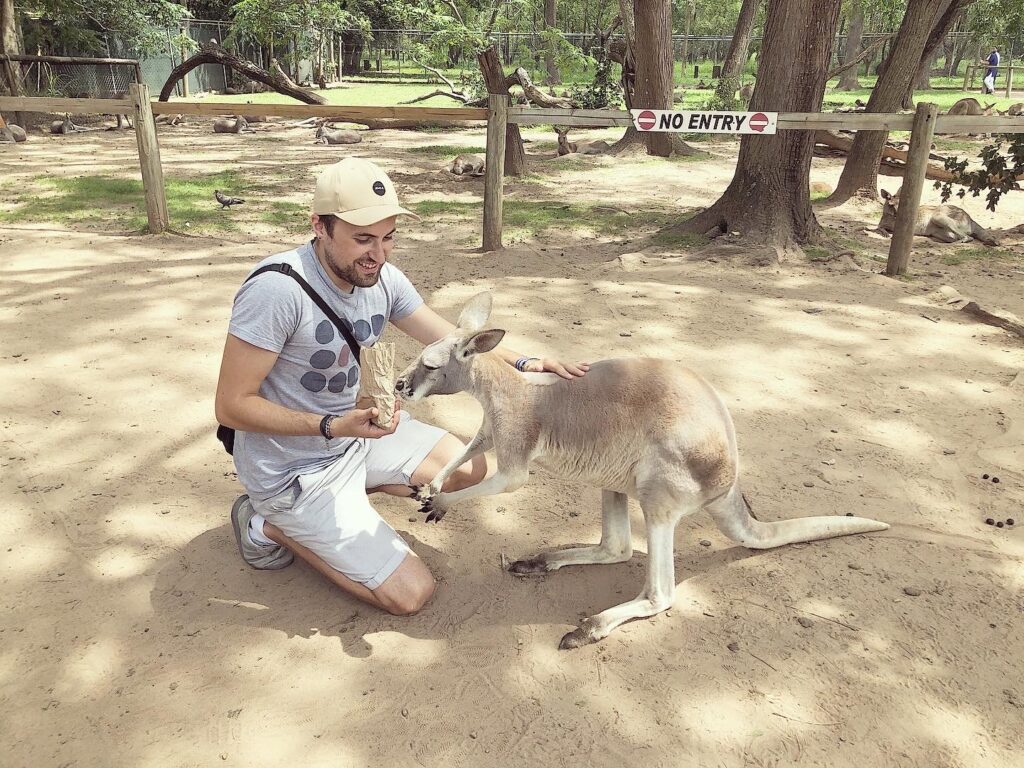 Thankfully other animals don't engage in such behaviours - they just want to use you for food lol
t all sounds very daunting and worrying, but that is one of the unfortunate sides of travel. So, what can an autistic person do to protect themselves from mate crime on vacation?
Well, for starters, my top tip is that if someone is selling something, take what they say with a pinch of salt. They are not there to be friends (even if they act that way), they are engaging in conversation in the hope of a sale. Never allow yourself to get sucked into their smooth talking without knowing what you are getting yourself into, and without first knowing the price of whatever it is that they are trying to sell you. That, of course, is if you even want that particular item in the first place!
Acting on your gut instinct can prove useful here. If you are showing no or little interest and they start becoming pushy or aggressive, then walk away immediately to remove yourself from the situation – often the seller will just move on to someone else. Similarly, never agree to go into someone’s shop if they are actively trying to get you to do so. This can quickly lead to an escalation of the situation, and you might be pressured to buy something you don’t want.
Also, never trust anyone that clearly isn’t staff when they go out of their way to inform you that somewhere is closed or full and try to take you elsewhere. My best advice is to just ignore them and enter the location yourself to find out – their advice has never been the truth in my experience.
To put things more generally, standing your ground is usually the best option. As with any form of mate crime, someone should graciously accept a no without continuing their tactics. Otherwise, this is one of the clearest red flags for you to recognize. Often, by continuing to engage in the conversation, you pass this point, and you might find yourself deeper in the pockets of the other party, so don’t be afraid to ignore and walk away from them if they cannot accept your initial refusal.
This is by no means an exhaustive list of examples, and each situation will need to be dealt with on a case by case basis. But this has stood me in good stead in my adventures and I hope others can find some use in it, as I think these can be applied during your travels, regardless of whether you are autistic or not. The last thing anyone needs is their trip ruined due to putting their trust in someone who doesn’t deserve it.
If you liked this article and would like to support my work, then please consider clicking on one of the buttons above to donate a little to either buy me a coffee or support my business initiative. Your generous support enables me to keep creating new and better content, as well as cover business development costs. Please only do this if you are financially able to do so, as these are challenging times for us all – Thank you!
Leave a Reply