
 The Aquarium from the outside with its sleek ocean blue-colored design - which is biomorphic; heavily inspired by natural formations
The Aquarium of the Pacific proves to not only be Southern California’s largest aquarium, but also the 4th most visited in the entire USA – partly owing to its prime location in Long Beach, which itself is in the south of Los Angeles County. The aquarium presents a large selection of aquatic activities and more than 100 exhibits for visitors to explore. Not only can aquarium-goers feed and interact with certain animals but they can also enjoy behind-the-scenes tours, movie screenings and if you’re an adult with a dive certification, there’s even an opportunity to come face to face with hundreds of tropical fish in the Tropical Reef Habitat Tank.
My visit coincided with finding myself in Long Beach for the very first time, and I was more than impressed with the city. After having explored the city streets of downtown, it was time for my visit using the media pass I had been kindly gifted in order to undertake this review.
Disclaimer: I was hosted as a guest by The Aquarium of the Pacific. As always, all opinions and photographs are my own.
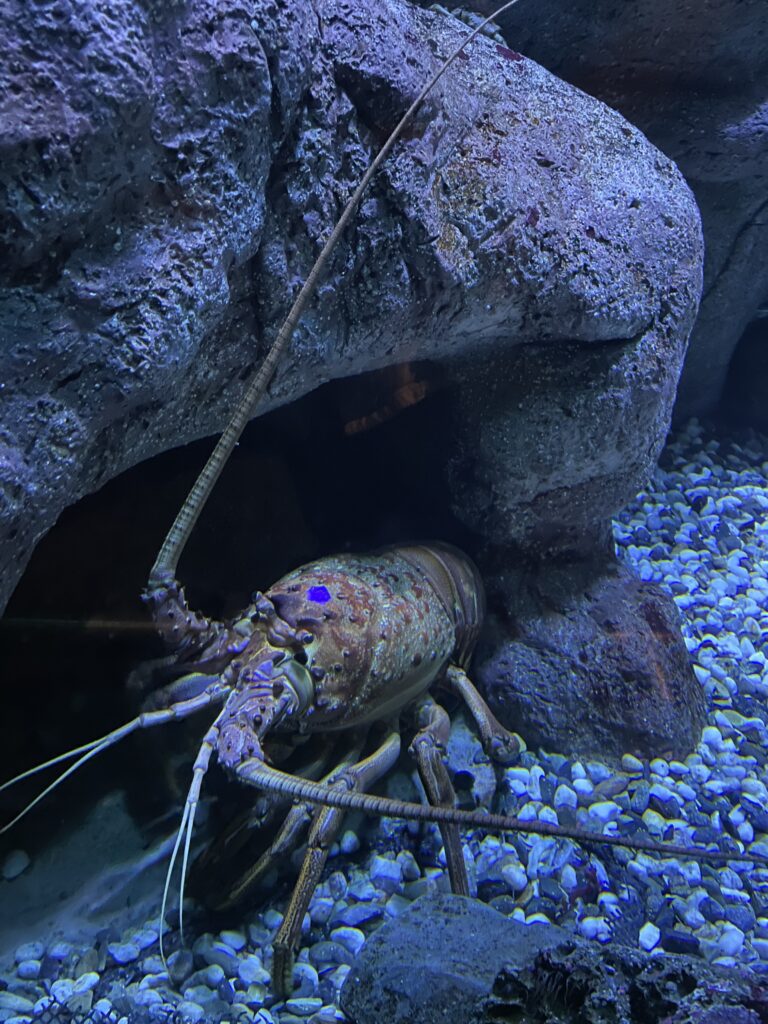 With over 12,000 different animals onsite, you are bound to find something that peaks your interest
History & Facts
Since its inception in 1998, the Aquarium of the Pacific, like many large-scale zoos and aquariums across the globe, has constantly evolved to keep up with these ever-changing times and consumer demand. With the unceasing need to improve the visitor experience, remain relevant/up-to-date, and keep animal welfare standards high, you will find that there are continuous changes to the animal exhibits and associated informational elements found throughout the aquarium. From the moment I heard the name ‘Aquarium of the Pacific’, I felt it represented something monumental. I wasn’t wrong, the aquarium is true to its name: more than 12,000 resident sea creatures show off the diversity of life that exists within the realms of the Pacific Ocean. Visitors can find galleries dedicated to the icy Northern Pacific Waters, as well as the Baja California and Southern California regions – even the Tropical Pacific’s coral reef systems are represented.
The Aquarium of the Pacific was the first among museums and vivariums in the USA to register its outgoing greenhouse gases and has won numerous awards for its subsequent sustainable practices. Additionally, the aquarium offers educational programs for people of all ages, from hands-on activities to lectures by leading scientists. Through these programs and a variety of multimedia experiences, the Aquarium provides opportunities to delve deeper into ocean science and learn more about our planet.
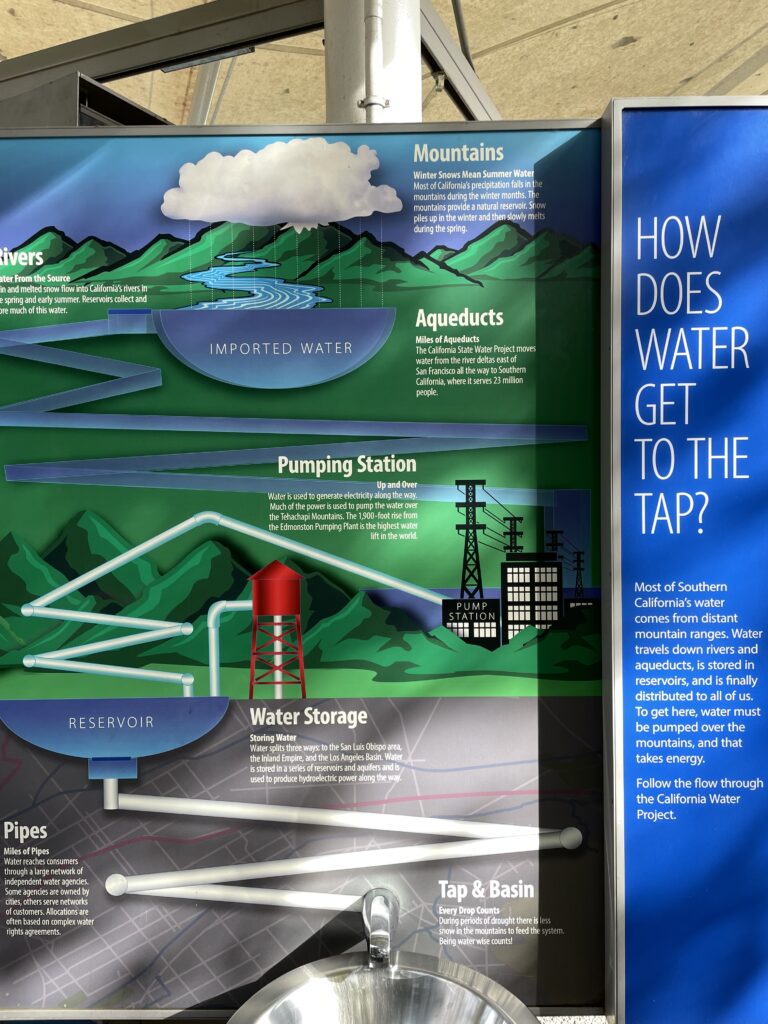 The aquariums contains countless multi-sensory information boards, that prove to be enlightening for all ages
Most recently (and central to this post), the aquarium was awarded certification as a sensory inclusive attraction by KultureCity (a non-profit organization that works with and certifies venues and events to make them more accessible and inclusive for those with sensory needs).
My Visit
The Aquarium of the Pacific is one of Long Beach’s central attractions, and is also one of the leading attractions in the Los Angeles region – and it’s easy to see why. While the building is huge, there is only one entrance to the aquarium – and you are unlikely to miss it as it sits just in front of the harbour by Seashell Park and the Dolphin Fountain in the center of the roundabout (yes, roundabouts do actually exist in small numbers here).
I personally felt that the entrance was simple enough. There are several ticket booths to purchase admission to the aquariums, followed by a simple barrier leading to the main entrance into the building. There were several staff here to check tickets as well as do random spot checks of bags (so be prepared to be asked if you brought one). If you have pre-purchased a ticket, then you can skip the ticket booths and go straight through the barrier to reach the main entrance door. Here, you will find a staff member overseeing a digital scanning machine. They informed me to just hover my digital ticket under the red light on the barcode section (the same applies for physical tickets), and a quick ping signalled that I was good to go.
 The Member Services section where useful information can be given and sensory backpacks are obtained - found to the right of the entrance, as you first enter
While I did not personally do so, I learned that you can in fact get your ticket receipt (or hand if you have a digital ticket) stamped so that you may come and go from the building as you please on the day of your visit.
You will then find yourself in the great hall. It could be formidable for some, as literally all exhibition spaces lead to and from here, so it might be somewhat confusing for some people to see so many different entrances and exits everywhere. My advice is to head straight to a small brochure stand directly beyond the ticket scanner. This contains leaflets with the aquarium map and some other pieces of useful information. I personally like to keep a map handy to keep myself right. An interactive map can also be downloaded to your mobile device from the designated app.
Before starting your tour, you might want to do as I did and head first to the ‘Member Services’, which can be found on the right-hand side of the entrance as you are walking in. This is where you can pick up your KultureCity sensory bag, which contains several fidget toys, noise-cancelling headphones and a KultureCity VIP lanyard. I found the team member I dealt with here amicable and knowledgeable in his role. He was eager to give me some information about the locations of exhibits and the daily programs on offer. It is important to know that you will have to drop the bag off at the same spot before exiting the building.
 The contains of the KultureCity sensory backpack laid out
Now to focus on the aquarium exhibits; this place is huge – I ended up spending the best part of 5 hours here in order to see everything that there was to see, and even at that I felt there were a couple of spots I rushed through (though I often overthink things like that). There is no structure to the visitation route and you are free to take any path in any direction. I personally prefer this as opposed to more rigidly structured paths, as I feel it gives me some leeway if I mess up (I don’t have a very good sense of direction).
As previously mentioned, there are a variety of interactive elements and exhibitions throughout the aquarium. I started with the ‘Pacific Visions’ exhibition to find a ‘paint a fish’. While geared towards child visitors, it allows guests to digitally color a fish and send it to swim in a virtual coral reef projection. Just beyond this were further projections illuminating the floor of a darkened room and creating some enthralling effects. Next was the Pacific Visions Theatre, which was showing screenings of documentaries at regular intervals discussing climate change and our impact on the ocean. These diverse interactive and sensory-based exhibitions work really well for different learning styles in my opinion – and this was just in the first 30 minutes.
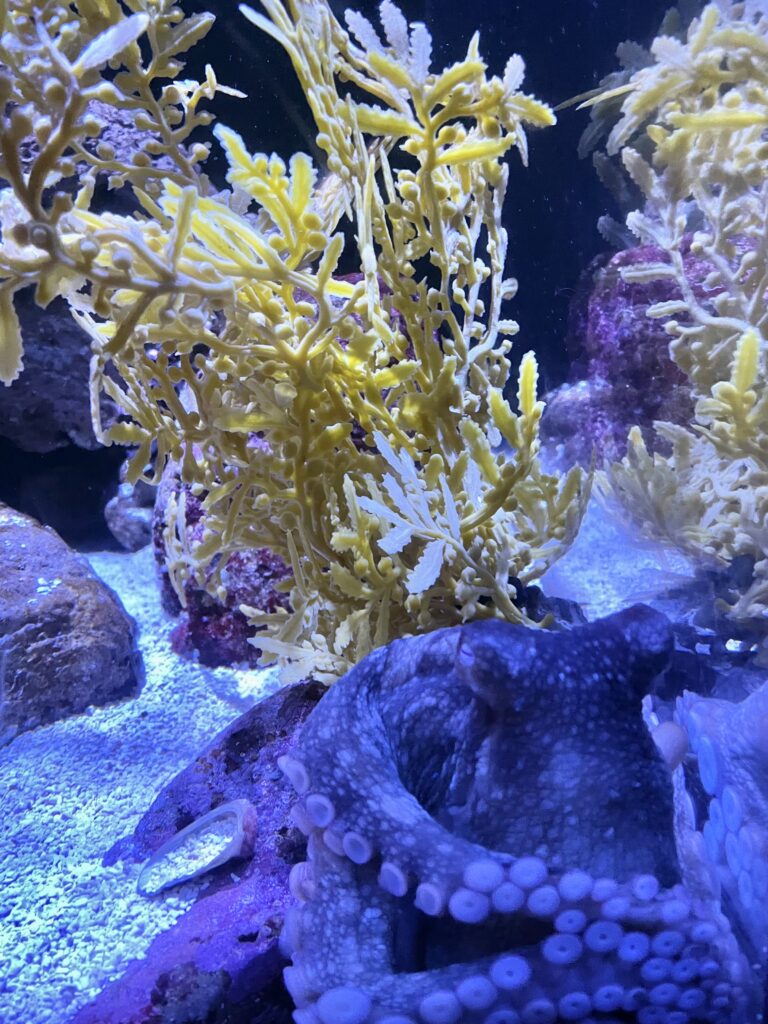 Aquariums without any octopuses (my favorite animal) leave me disappointed - thankfully, there were multiple tanks with these beautiful creatures
The animal exhibits themselves were enthralling for someone like me who has always had a keen interest in the ocean from a very early age. I felt like there really was something for everyone to see in the never-ending tanks. Apart from permanent water-dwellers, the aquarium also has numerous exhibits of amphibians, reptiles and various birds, and even a few mammals in the form of seals, sea lions, and otters.
By far the highlight for me was the various octopus exhibits throughout the hallways. The great pacific octopus was unusually active and was pressing its beak against the glass while extending its tentacles in my direction several times. Anyone who knows me will know the intense adoration I have for these incredible animals. My second favorite exhibition space at the aquarium was the ‘Babies’. As the name suggests, this exhibition on the upper floor contains numerous sea creatures in their infantile stages, including a couple of baby octopuses!
There are numerous tactile touch tanks throughout the museum, but there is never any pressure from staff to take part in these, which I felt was beneficial for anyone with touch sensitivity. These particular exhibits are spread out across the complex, and include starfish, sea anemones, horseshoe crabs, jellyfish, stingrays, and dogfish.
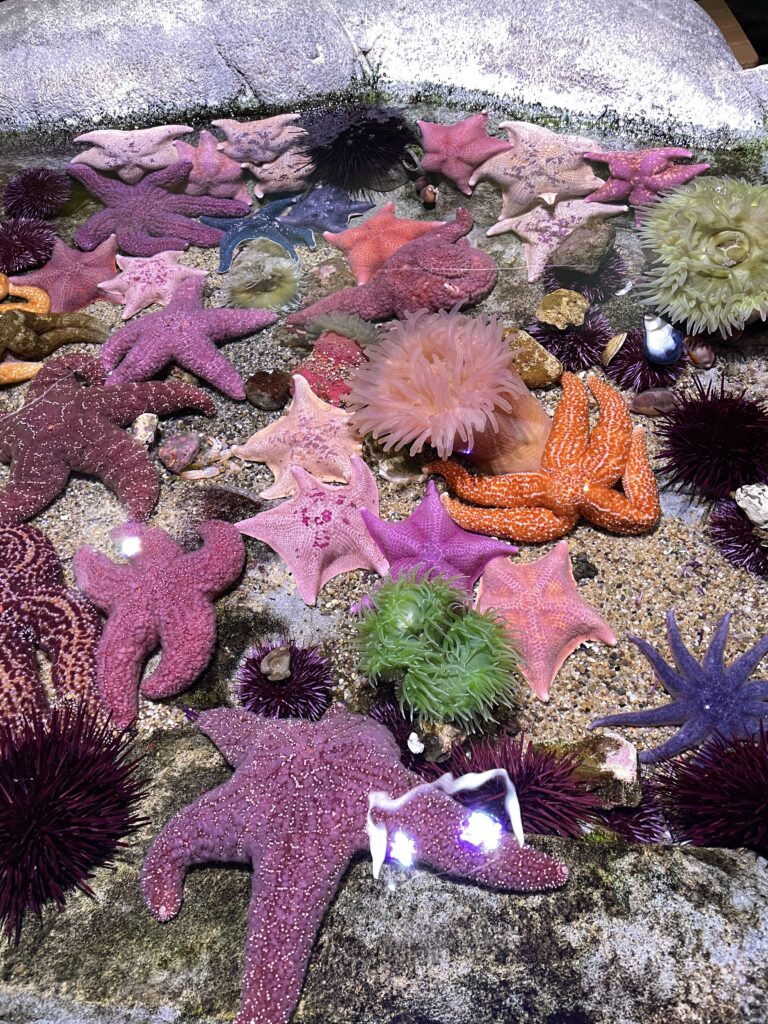 There are also ample amounts of touch tanks throughout the aquarium - perfect for those who are tactile-based learners
Aside from the animal exhibits, there are also a wide array of informational boards, slides, documentary-styled projections, and interactive contraptions that give visitors an insight into various facts about the ocean, as well as discuss human impact in a concise and informative manner. I felt like this was a great way to teach not only adults, but also children, of ways in which we can better protect our planet – and I, too, felt like I learned a lot of new, yet vital, information during my time there.
The aquarium is rather on the heavy side for those who get easily overwhelmed, exhausted, or overstimulated. While the aquarium does not have a dedicated quiet room for guests, I found there to be sufficient seating throughout the building, numerous dark and/or quiet areas, and several eateries onsite in which I could regain my energy levels.
The outdoor space behind the main building was by far the most spacious (and had the most quiet spots), though it also had some fantastic exhibits on display and plenty of informative and helpful staff providing guests with lots of interesting facts and information about the animals.
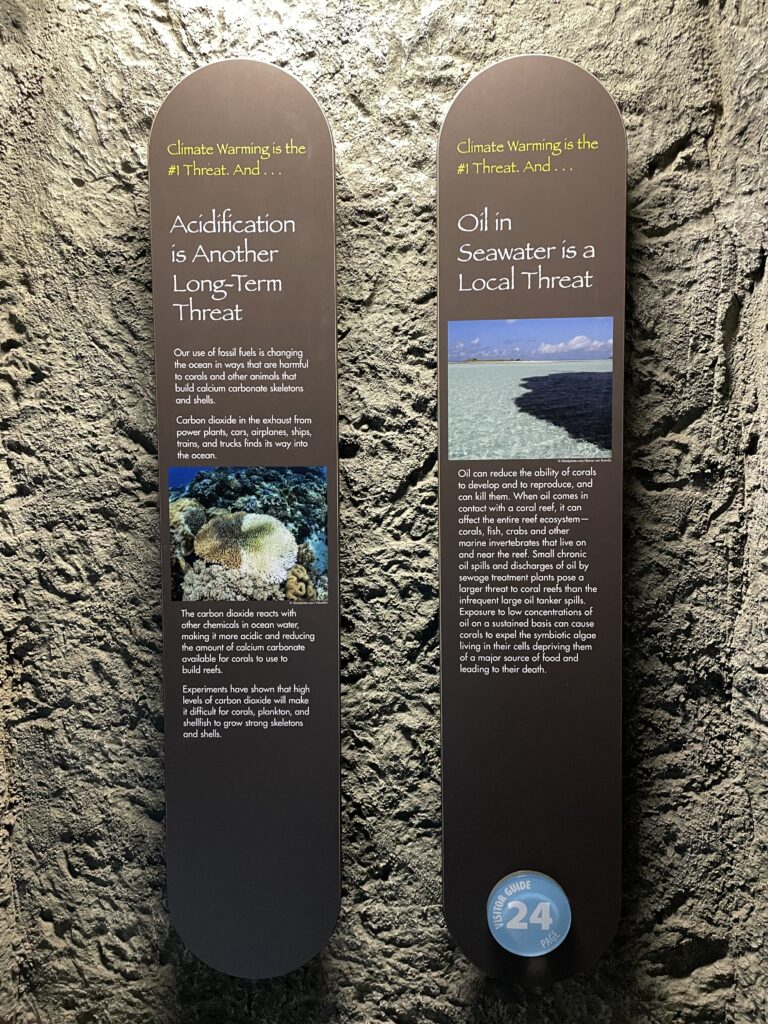 The aquarium has a heavy emphasis on sustainability and eco-friendly solutions to protect the earth's marine life
Final Thoughts
Having had a special interest in the ocean and all its fascinating creatures and ecosystems since a very young age, it should go without saying that this was truly an indelible experience for me. As I said too, the octopus is my favorite animal, so to see 3 separate tanks dedicated to these wonderful creatures (plus one more for cuttlefish) was a joyous feeling to say the least. I would encourage anyone else who has a special interest in either the ocean, its marine life, or climate change and its effects on the ocean to make a visit while in the LA area. The knowledge contained in this place is outstanding, and there is a lot to learn here, not only from the animals, but also from the staff in terms of what we can be doing to end our negative impacts on the ocean and it delicate ecosystems.
I would, however, say that anyone who is easily overwhelmed by crowds and/or children (who have a general tendency to shout and run around), then it is recommended that you avoid visits on weekends or school holidays – as these will usually be guaranteed to be the most crowded and overstimulating.
 The hall contains a scale model of a blue whale and its calf
 The exhibits provided some new creatures I had never seen or heard of before! Pictured here is a weedy scorpionfish
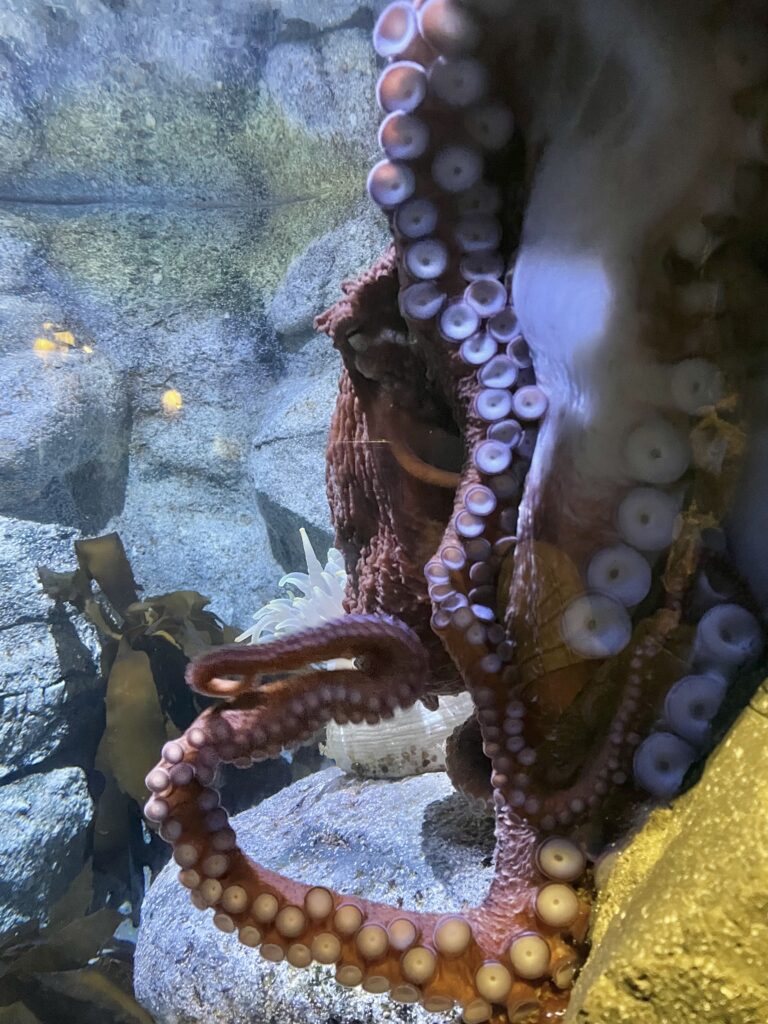 Another friendly octopus that took an interest in me
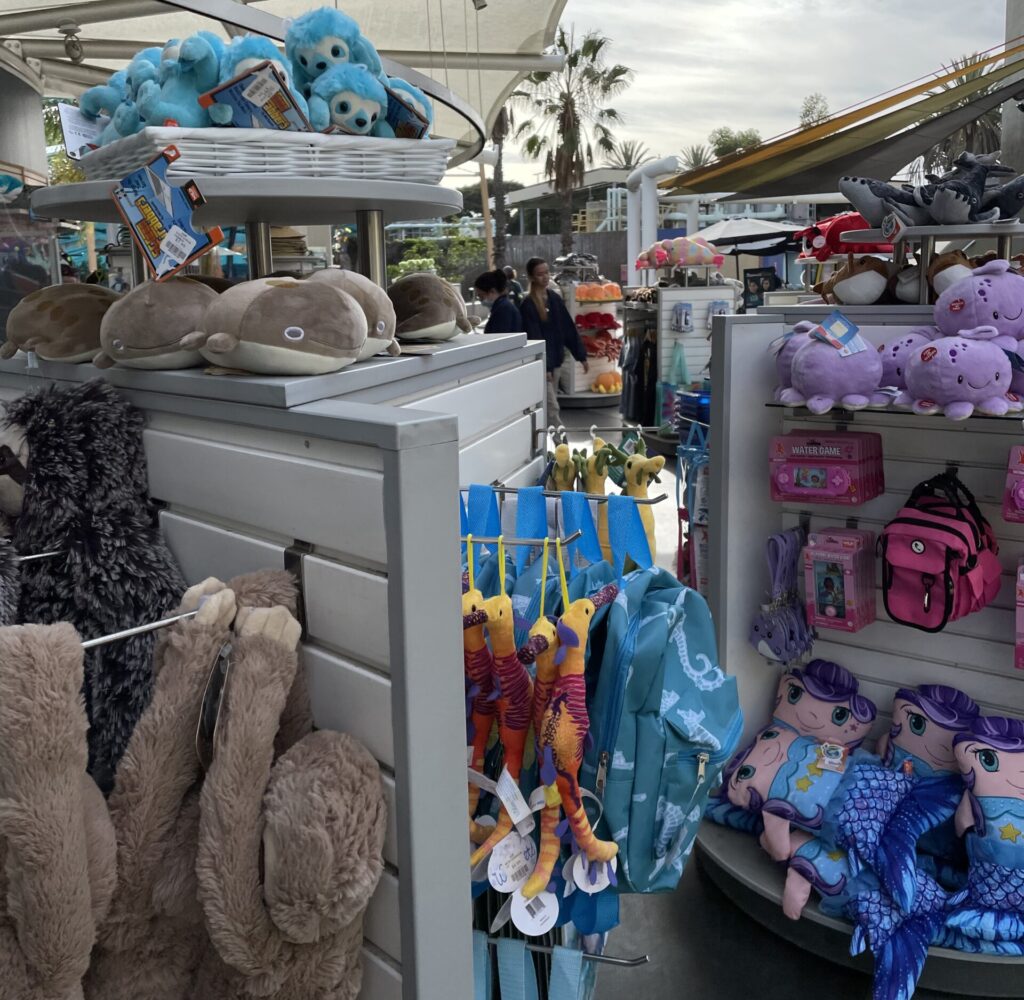 Be sure to check the outdoor gift store - there are plenty of plush and other autistic-friendly gift ideas
If you liked this article and would like to support my work, then please consider clicking on one of the buttons above to donate a little to either buy me a coffee or support my business initiative. Your generous support enables me to keep creating new and better content, as well as cover business development costs. Please only do this if you are financially able to do so, as these are challenging times for us all – Thank you!
Leave a Reply