
 Choosing a quieter time is often key for indoors attractions such as museums
Dislike of or anxiety induced by crowded environments is not an autistic-exclusive characteristic, but there are certainly a lot of individuals in the community who are prone to apprehension (or similar feelings) when placed in a bustling environment. This is often due to sensory issues, particularly those related to the senses of sight, sound, and smell. All of which can be exacerbated by surroundings that are swarming with both people and lots of activities all happening at the same time. This can leave some autistic people very quickly overwhelmed and overstimulated.
While you have no control over whether places will be crowded when you are on vacation, there are various things you can do—or at least prepare for—that can reduce, remove, and mitigate any sensory pain that might escalate. As always, this is not an exhaustive list, just some ideas that may work for you.
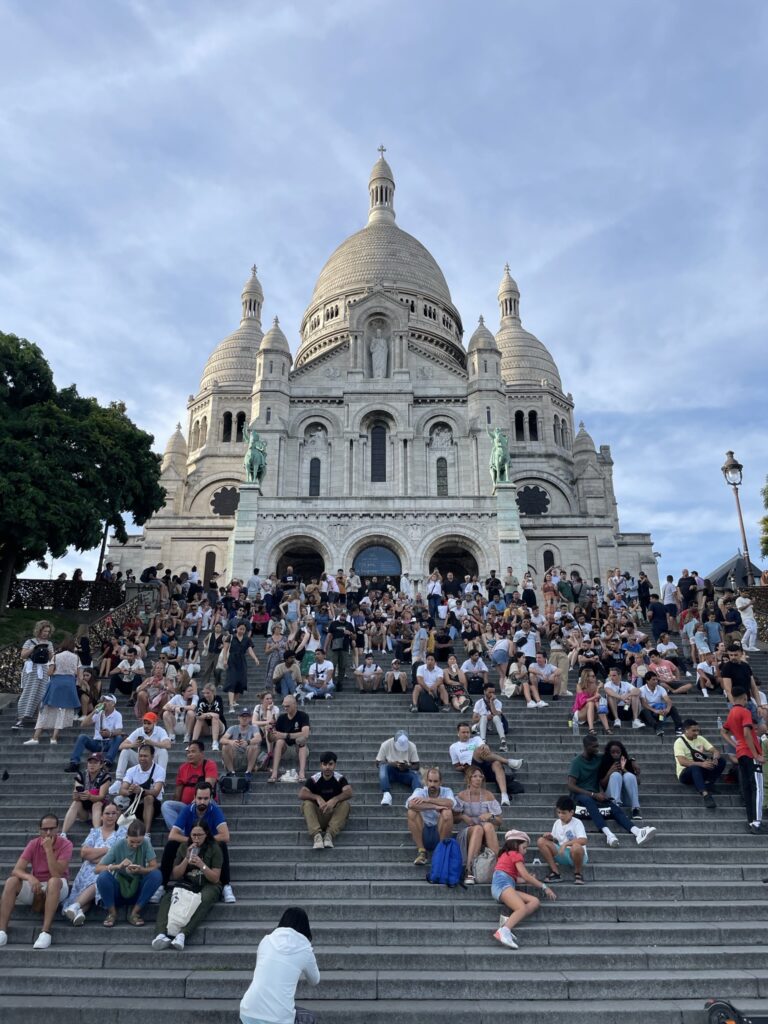 Some destinations—like Paris—are more difficult, as even the off-season can be more crowded than many other destinations
- Research your destination beforehand
You should always do this first and foremost before anything else when preparing for a trip. Only by doing proper research and pre-planning will you be able to identify and understand the finer details related to the destination. When thinking specifically about crowds, research will allow you to see which places are the quietest and what time of year is the best time to visit. As you cannot accurately predict human behavior, your research will not be foolproof.
Should you not be able to find the relevant information you are looking for, then posting to an autism and/or travel-related Facebook group, subreddit, etc. may yield the information you are searching for and will ensure the search is online for future autistic users to find.
It is also important to look inward at yourself and think about what it is you struggle with—for example, is it all crowded environments or is it just certain types? What sensory issue is this related to? What would make you feel better in that scenario? Etc
The list is non-exhaustive, but you need to consider these things as nobody will know you better than you know yourself, and only through recognizing your strengths and challenges will you be able to fully work on the strategies you need for moving forward.
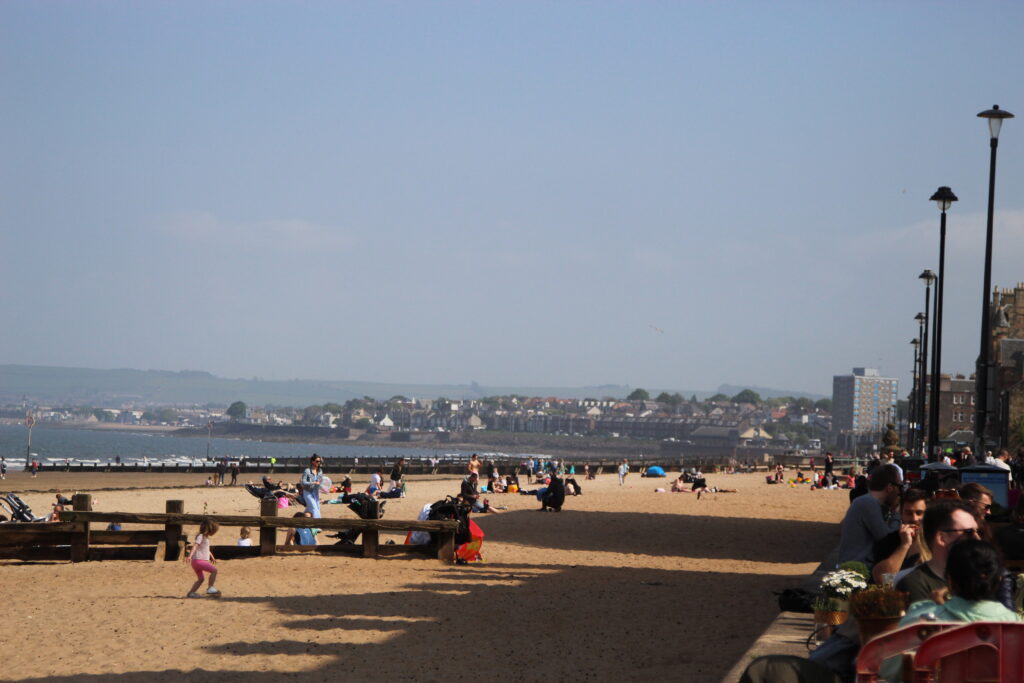 Outdoors is much easier to manage, as you will more often than not have more places to retreat to if necessary
- Check if the attraction you want to visit has quiet hours
I don’t think as many people know about this one as they should, but there are an ever-increasing number of attractions around the globe that are now offering quiet hours at certain times on a weekly/monthly basis. These initiatives have been implemented with autistic visitors in mind.
While the finer details will vary from attraction to attraction, the overall concept is that staff receive some form of autism awareness training and will set aside their quietest times during the day as their designated quiet hours. Often, some of the more intense sensory elements in the exhibits (for example) will be removed or temporarily turned off to provide an experience that is free from overstimulation.
Unfortunately, there is no centralized site yet that has compiled all these attractions into a single location. Therefore, you will need to search by individual attraction to see whether they offer such an initiative.
 Finding yourself in large cities comes with added tourism opportunities, but it also gives you a lot more to consider in terms of overcrowded environments
- Take someone with you
Traveling with someone you can trust can help make sure that when you go into a crowded place, they are with you to offer immediate physical reassurance that may help put your mind at ease in case things do get too much, or at the very least allow you to tolerate the setting to get you to where you need to go/do what you have to do.
If traveling solo, meeting other travelers (especially solo travelers) usually means meeting others who are also looking for new adventures or, more generally, new experiences. If there’s somewhere you have been putting off visiting because of the throng, you could always suggest to another solo traveler that they might be interested in joining you there.
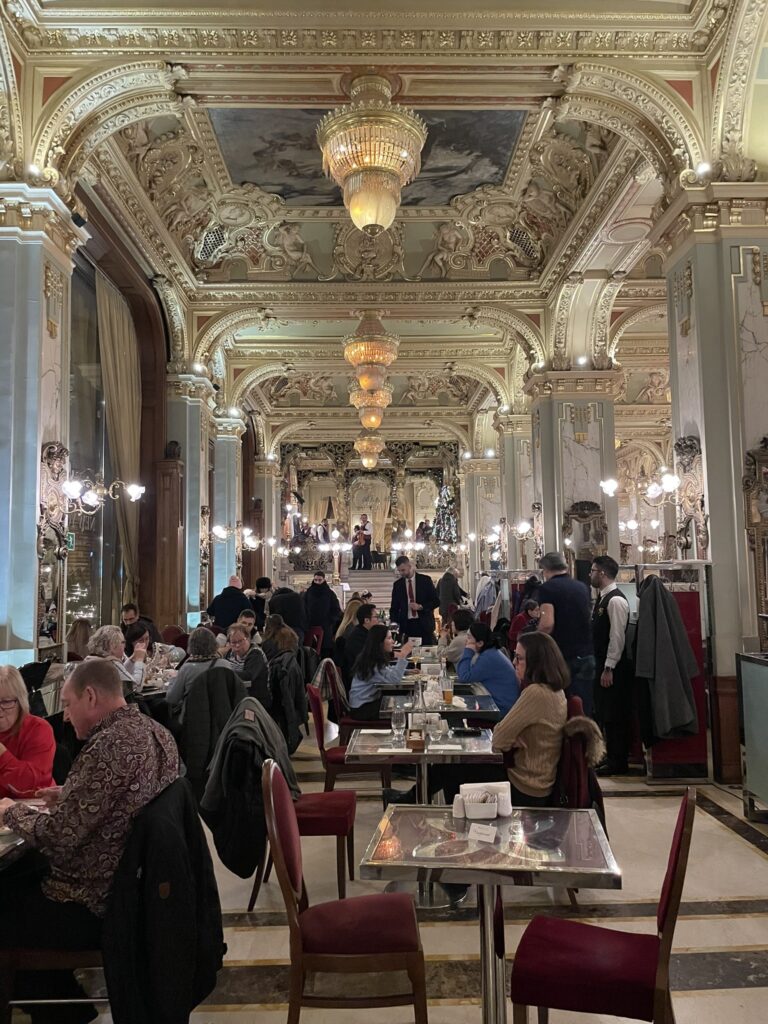 It's good to read reviews and online information for attractions too. The New York Café in Budapest, for example, has an average queueing time of around an hour
- Use noise-cancelling headphones (or something similar)
Noise-canceling headphones are such a godsend for the autistic community the world over. However, if you do not have any adequate earbuds or earplugs, they will also help block out any excess auditory stimuli in the environment for you.
It’s once again important to reiterate the fact that not every autistic person will feel stressed in crowds or that their response will remain the same on every occasion. For example, I don’t mind crowds normally, probably thanks to having lived in urban environments most of my adult life. I prefer the anonymity factor that comes with cities and other crowded environments. However, when I am extremely dysregulated, then I need a quiet place to retreat to and will make it my immediate priority to get away from everyone.
- Practice mindfulness or any other personal strategies
This can be a challenge, especially when you feel anxious in that moment. However, some may find it helpful to find a spot to sit down and close their eyes to practice some breathing exercises until they feel ready to carry on.
Others may find employing a particular train of thought can help them overcome feeling the pressure of the encompassing mass of people. For example, counting the number of heads around you, thinking about how many others in the crowd might be autistic, etc.
 Finding alternatives to over-touristed spots will also help get the most out of your time there. While Bondi Beach in Sydney is on everyone's list, there are plenty more gorgeous beaches around the city with little to no crowds
The idea here is to find something that works for you, think about it first, and then go on to ask someone else who is autistic if they have any methods worth trying should you not be able to think of anything yourself.
- Look for a nearby quiet spot
Sometimes, retreating to a quiet place is the best option when you find yourself unable to deal with the crowded environment you find yourself in. Unfortunately, there is no golden rule here, so I suggest either using maps to find a nearby quiet park, eatery, or café that will allow you some private time to regulate yourself or quickly scanning your immediate surroundings to see if there is anywhere suitable for you.
If you liked this article and would like to support my work, then please consider clicking on one of the buttons above to donate a little to either buy me a coffee or support my business initiative. Your generous support enables me to keep creating new and better content, as well as cover business development costs. Please only do this if you are financially able to do so, as these are challenging times for us all – Thank you!
Leave a Reply