
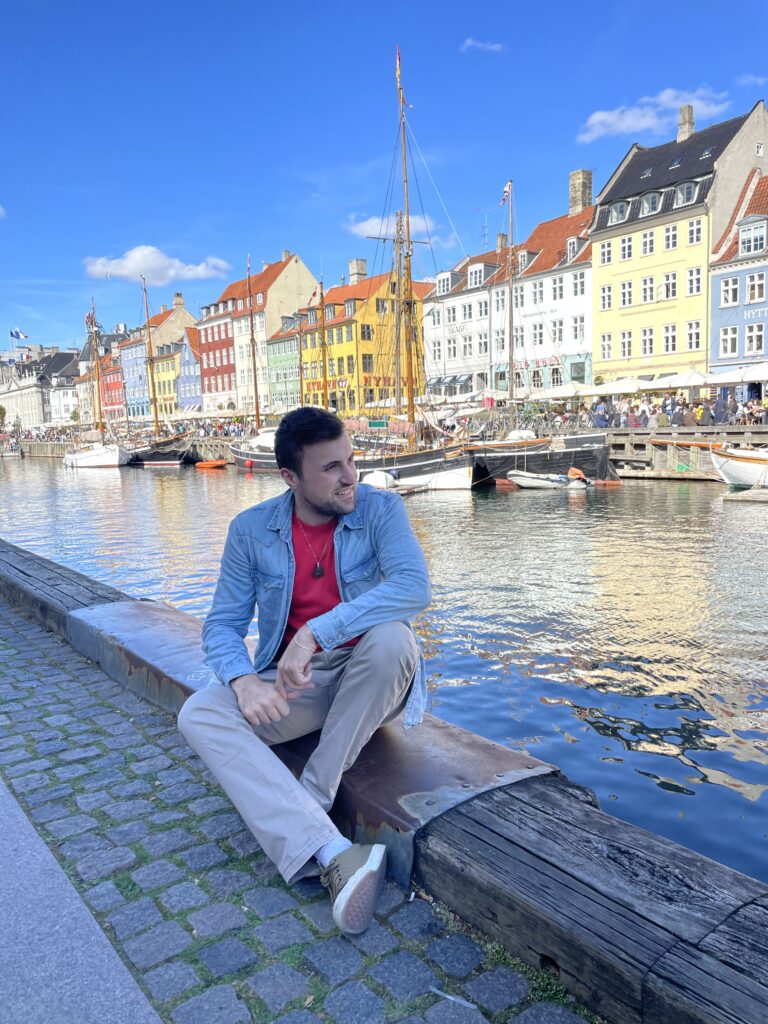
 You'll usually find that restaurants around the main tourist spots are usually tourist traps. I was warned by local friends that the restaurants along the waterfront in Nyhavn, Copenhagen were both overpriced and lackluster
As sad as it is to say, scams and general money-grabbing tactics are part of the overall travel experience. Inequality is rife in the world we live in, and many scammers target foreign tourists to ease their own situations. Let me tell you, though, that as a traveler you should always keep your wits about you to avoid being duped. There are red flags to look out for, and often these can vary from location to location. Below is a list of some of the more general red flags I have come across in multiple locations during my journeys.
- Places with no Prices
This one is a sure-fire way to set off the alarm bells in my head. Anywhere with no prices listed, it allows the seller to charge whatever they want. The worst offenders are restaurants located in tourist traps – you can be sure that the prices there will be above average. I avoid these places at all costs while traveling.
As a side note, numerous countries across the world rely on haggle culture (some more than others), and it is here that you will find it impossible to escape this kind of thing completely. There are places you can go to avoid this, however. For example, shopping in chain stores rather than independent stores will mean that there are set prices attached to products. Restaurants without prices in my experience have always turned out to be tourist traps – regardless of the country I have been in.
 Travel has been one of the most rewarding experiences for me on the whole, but as with anything, you will need to take the necessary precautions
- Restaurants that don’t have a Menu in the Local Language(s)
This is another indicator that you are about to walk into a tourist trap. If a restaurant was indeed there to also cater for locals, then it would also have a menu in the native language clearly displayed outside. So, take this as a red flag warning and find somewhere else to eat/drink nearby.
- Hawkers that try to Lead you into their Establishment
This is usually a clear sign that you are walking into a tourist trap (though it depends on the culture of the country you are in). In places like Europe, I can guarantee you that establishments catering primarily to the needs of locals will not have overly keen staff paid to get tourists inside. In my experience, these people often put pressure on you to come inside, even if you just want to read the menu in peace first before you make an informed decision. As an autistic person who has PDA (Demand Avoidance/Drive for Autonomy), this kind of behaviour is all a bit overwhelming, as I hate feeling pressured – and the effect is usually the opposite from what they are trying to achieve. I always try to avoid these kinds of places.
- Private ATMs
Private ATMs are not attached to any bank, so they can set their own transaction fees that are often bumped up unbelievably in tourist hotspots. Only use these as a very last resort if there are no other options available (that sometimes happens unfortunately).
 A good tip I learned is that as far as common sense goes, anything that you would consider dangerous, fish or dubious back home should also be considered as such abroad
My general advice is to search online beforehand for all banks that do not charge for foreign cards in the country you are visiting. You can save a lot by doing this. However, some countries (Greece, for example) do not have a single bank available which offers free transactions for those with foreign cards. In this instance, I would recommend trying to exchange enough money before arrival and using your card wherever possible.
- Taxi Drivers that Refuse to Turn on the Meter
Wherever possible, I recommend using ride sharing apps (such as Uber, Bolt, Lyft etc), but these aren’t always available, so you may find yourself having to hail a cab. The first thing you should always do is ask the driver to turn on the meter, and if they refuse or make a fuss, then the best thing is to just quickly get out and look elsewhere – your wallet will thank you later.
- People Offering Things for ‘Free’
Never take something that is handed to you by a stranger in the street. People will often claim it is free, then try to make you pay afterwards. I have seen all sorts during my time traveling; bracelets/armbands, CDs, flowers, trinkets etc. This also includes people (usually dressed up) in tourist hotspots that offer to have a picture taken with you – they will request a payment afterwards. Just say no and move on.
 One unfortunate event in Argentina saw me short changed by a Western Union-approved store, thankfully I was wise enough to check my money upon receipt
- Being Short-changed or Given the Wrong Currency
The point here is to always check the change given to you if paying in cash. It has happened several times when the cashier will bring back slightly less than is due or present me with a coin that may look like their currency but is worth a lot less. One example I can think of was in Montenegro where I was given 1 Turkish Lira instead of a 2 Euro coin (1 Lira being equivalent to about 5 cents).
- Locals who Inform you that Somewhere/Something is Closed
Usually this will be followed by them trying to lead you elsewhere. This has happened to me way more than I would like to admit. Locals will sometimes tell you that somewhere is closed when you are making your way to the entrance and attempt to lead you elsewhere. More often than not, they will be trying to take you to their own business to sell you their own products. My advice is to ignore them and check the entrance out for yourself. In all of the instances I have experienced, it has been open to the public.
If you liked this article and would like to support my work, then please consider clicking on one of the buttons above to donate a little to either buy me a coffee or support my business initiative. Your generous support enables me to keep creating new and better content, as well as cover business development costs. Please only do this if you are financially able to do so, as these are challenging times for us all – Thank you!
Leave a Reply