
 Planning is essential, but over-planning can lead to unnecessary stress
Travel can be stressful for anyone, especially getting from point A to B – there’s no getting away from the fact. Similarly, trying to plan your trip can be the source of many headaches in your attempts to make sure everything is in order.
The important thing to know is that with multiple trips comes experience that should make things easier. With each new adventure you can build up firsthand experience from your previous vacation(s).
This list has been curated by drawing upon my own extensive travel experiences to encourage you to think about strategies that might work for you to minimize any personal distress so that you leave for your trip knowing you did your best, and come back feeling that you had a great time in spite of any hiccups you may have encountered.
It goes without saying that this is not a comprehensive list, nor will everything likely to be of personal relevance to you in terms of which approaches work best. The idea here is to impel you to think about what might work best for you and use this conscious recognition to draft up your own masterplan to work with moving forward.
 When travel plans change, adaptability is your best tool for reducing anxiety
- Book your ticket first
Whether you’re traveling by plane, train, boat, bus or car to where you want to go is irrelevant. With the exception of traveling by your own private vehicle, you will need to buy a ticket to go to your destination. So, buy that first and worry about everything else afterwards.
I find that just the act of doing this puts my mind at ease. I now have a date set in stone, something concrete to work with. This motivates me to do the rest of the bookings and research that I need to do before I head off.
Of course, trying to find the right transport can be stressful. There’s often a lot to consider; dates, times, price, mode of transport, connections etc. This is particularly true for air travel, which is the way most people travel nowadays – so let us start there.
I always start with Skyscanner. This is by far the best flight comparison site and is extremely easy to navigate. As well as searching by airport, date, direct flight only, and ticket class, it also gives users the options to search by entire countries and whole months to give a clear idea of what is available without having to conduct multiple searches. Additionally, there are also options for conducting your search by doing a ‘multi-city’ search or choosing the destination as ‘everywhere’. I have found this latter option particularly useful, as it gives users the ability to see a list of all destinations available from the airport (or country) you will be flying from in order of price.
Of course, the site doesn’t always provide easy answers, but it certainly makes clear the options open to you, which should lessen any headaches.
 Sometimes the best adventures happen when things don’t go as planned
- Do your research, but don’t over-plan
I have made this point many times previously, but there is a clear distinction between research and planning that a lot of people don’t necessarily realize when preparing for a trip.
Research is finding out enough essential or useful information about your destination(s), to ensure you have a certain level of knowledge about the place. This is vital to ensure you will have both a fun and safe trip. Think of this as pre-planning, if that helps you understand the difference better.
For example, things like; currency, safety, climate/weather patterns, local cultures/customs, transportation routes to/from the airport to the city center, things/places that overstimulate you that you might want to avoid, free ATMs available, local SIM cards, travel insurance options, what attractions you might like to see (without being strict on seeing them all, and on specific days/times – or it’ll fall under over-planning) etc. These are all things you should most definitely be researching, especially if it is a new destination you haven’t been to before. Writing a list of all this essential information in a notebook can be used for your adventures and is a great way to record all the key information you need, and you can use it to keep track of everything.
Planning, on the other hand, involves working out the exact details of your time away. Where to go, on which days, what time exactly, where/when I should be eating etc. But beware – over-planning greatly increases your chances of disappointment if/when things go wrong or don’t go to plan.
 Start your trip with confidence by taking care of the basics early
Over-planning is not an autistic-exlcusive trait, but it is one of the main traits of autism – and is even listed as such in the main criteria checklist for the DSM-5. I rely heavily on routines and schedules in my daily life, but I have learned over time to let go of these when traveling. It is not worth the extra stress and grief when things, unfortunately, do start to develop differently from how you were expecting them to go.
Delays happen, weather can suddenly change, cancelations and closures are common. These are all things that no amount of research can help with, but by avoiding over-planning every detail of your trip, you will avoid disappointment when something unexpected does take place. The way I now see it is, you are giving up your daily routine/schedule anyways to go somewhere else. Do not risk feeling overwhelmed or disheartened because you tried to carry this over into your trip.
There is a lot to be said about the benefits of being spontaneous and under-planning for your trip. My most memorable experiences have been off-the-cuff ones, and this, in turn, has taught me to prioritize spontaneity whenever I am traveling.
The end goal is enjoyment, in one form or another. So be kind to yourself and, if it gives you more confidence, have a back-up plan should things not go to plan.
 Expecting the unexpected helps ease the stress of travel disruptions
- Being flexible with dates
This very much ties into the last point, but it is important to emphasize the importance of flexibility with your travel dates (if that is at all possible). That goes for your departure and return dates, as well as any transportation you use while you are away.
Foremost, it is key to remember that flexibility is a privilege that, unfortunately, isn’t open to everyone, considering that many of us have commitments back home (work being a prime example). But should you be able to be flexible with your travel dates, then you should absolutely be taking advantage of this.
If you do have the luxury of flexibility, it gives you a lot more options to work with and can be significantly cheaper overall if done correctly. I usually look for the month I have in mind, and go with the cheapest possible date, combined with the shortest possible travel time and least connections. Sometimes, for me, it can be choosing to stay a few days at my layover, so I am not traveling for so long as I do not like long-haul travel. Also, it can be booking a one-way ticket and seeing how things go before deciding when to leave (assuming there is no requirement for a return-ticket in the country you are visiting).
It could even be opting to head to the bus station, upon finding out that the train to your next stop has been canceled/sold out – or even just choosing to book another night at the accommodation before trying again tomorrow. These are all just ideas, based on my own experiences – but hopefully it will give you some insight into what you might be able to do in these instances.
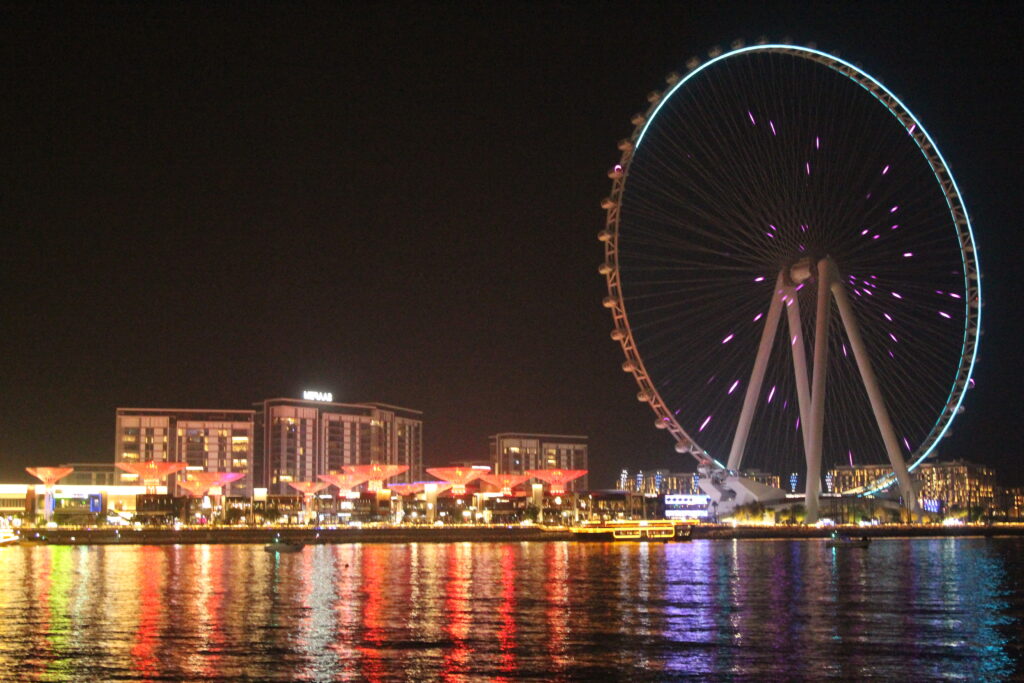 A backup plan can bring calm when disruptions arise on your travels
- Remembering it’s common for things not to go to plan
I like to think this last point ties everything above together nicely, but recognizing that things may go wrong on your trip will benefit you overall.
I understand that anything involving a change in mindset is very much a case of ‘easier said than done’. Some people will find this much easier than others, and it is a process, not an end goal. For me, it is an ongoing process that has continued since I first started solo traveling around 10 years ago. Knowing that I did all I could in the research stage, and that something that’s out of my control might go wrong, is now something that I can deal with. But I am still learning. It is a constant evolutionary process that never really stops. Adaptation helps us grow and minimizes distress. I cannot over stress that avoiding over-planning will help this process.
We must also always be mindful that we are all individuals, and what works for one person might not be suitable for another. Find a strategy that works best for you and be open to building upon that as time goes on, and you encounter new, previously unknown situations. In some instances, this can only be done through lived experience, as opposed to anticipating certain circumstances.
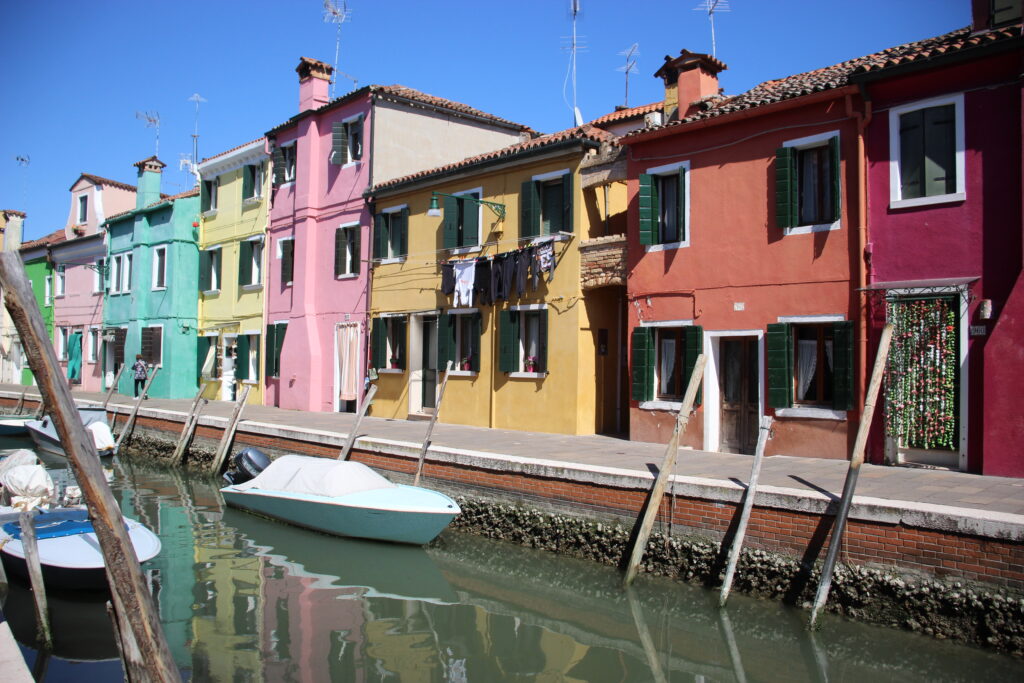 Traveling is about the experience, not sticking to a rigid schedule
Summary
The most important takeaway from this post should be that not everything might go right the first, second, or even third time – and so on (if it does, however, then consider yourself extremely lucky!).
Book your ticket and do your research into what you need for a successful vacation and plan, but never allow yourself to over plan.
Give yourself some space to work with, and don’t beat yourself up about any blunders you make or changes in plans that are outwith your control.
If you liked this article and would like to support my work, then please consider clicking on one of the buttons above to donate a little to either buy me a coffee or support my business initiative. Your generous support enables me to keep creating new and better content, as well as cover business development costs. Please only do this if you are financially able to do so, as these are challenging times for us all – Thank you!
This is really interesting, You are a very skilled blogger.
I have joined your feed and look forward to seeking more of your excellent
post. Also, I have shared your site in my social networks!
Thank you for the kind words – and sharing!
Amazing tips These calming strategies are great for making the most of any travel adventure without the stress
Appreciate you sharing this! Really informative and helpful.
Thank you very much.
thanks for info.
Thank you Liana.