
 Fife may not always be in the spotlight, but places like this deserve all the attention
Fife may not be so well known internationally, even though St Andrews is famous for golf, but being in the Central Belt of Scotland means that it is easily navigable from all centrally located cities. There are plenty of underrated and relatively undiscovered gems that are being overshadowed by bigger destinations in the country. One such gem is nestled in the heart of the region, the Bunnet Stane, a hidden gem that has captured the imagination of locals and incoming visitors alike over the generations. Now this delightful spot that combines natural beauty with a touch of historical intrigue is starting to grow in recognition. If you’re a fan of quirky landmarks and natural wonders, this unique stone is a must-see on your next trip to Scotland.
Basics
The Bunnet Stane (Bonnet Stone in standard English), with its unmistakable mushroom-like shape, stands proudly on a gentle rise near the quaint rural villages of Gateside and Strathmiglo. Imagine a colossal, weathered boulder that seems to have taken on a life of its own, resembling a traditional bonnet from the right angle (presumably this is where the name originates).
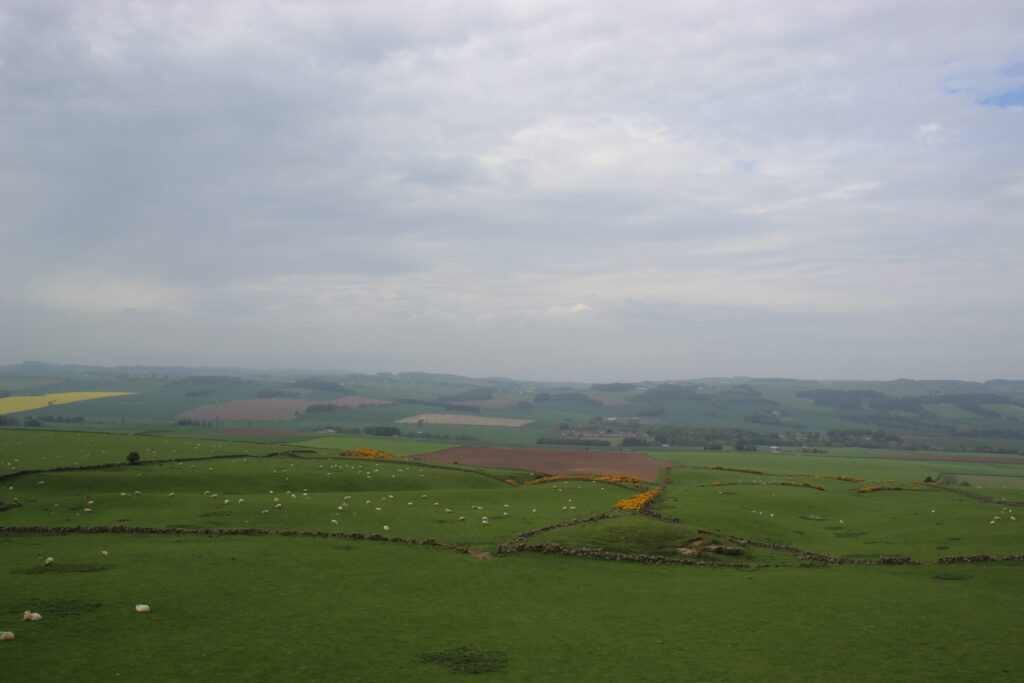
 Pro tip: park early, wear boots, and keep an eye out for sheep
Perched at the base of the Lomond Hills, the Bunnet Stane sits atop a calciferous sandstone outcrop of old red sandstone soot. Although there are many romanticized stories about its shape, its unique form is most likely the result of natural weathering on the exposed rock.
Over countless millennia, the elements of wind, rain, and sunlight have sculpted this remarkable rock formation. The Bunnet Stane, with its distinctive mushroom-like cap measuring roughly four meters in diameter, seems to be precariously perched atop a slender sandstone base. This striking landmark is one of several intriguing and highly photogenic rock formations found on the lower slopes of West Lomond.
Facts & History
Historical records and old maps indicate that the Bunnet Stane has long been a point of reference, guiding travelers and marking the local terrain. Its enduring presence suggests it may have held significance as a boundary marker or landmark in bygone eras.
 I love how even the rocks in Scotland come with folklore and romance
Just below the Bunnet Stane, in the rocky outcrop foundations, you’ll find a small chamber hewn into the hillside known as The Maiden’s Bower. Local lore tells the tale of a sorrowful young woman who took refuge here following the tragic death of her beloved, who was killed by members of an opposing family. She chose never to return home and instead spent the rest of her days residing in the cave, earning a local reputation as a saint.
However, several other theories that have been deemed more realistic indicate that the cave might have been constructed in the 19th century, by the likes of surveyors, a farmer or a local landlord to be used as a small bothy.
Later analysis of the cave’s interior reveals remnants of an iron fire grate and a ventilation chimney. The walls exhibit grooves, notches, and small platforms that likely served to divide the space into areas for sleeping or storage. Notably, a larger notch in the southern wall may have supported one end of a sleeping platform.
In Scotland, it seems as though every stone and rock has a backstory, and the Bunnet Stane is no exception. While it may have several legends currently attributed to it, its intriguing shape and prominence in the landscape make it a canvas for the local imagination. Stones like the Bunnet Stane often become a part of the local folklore, symbolizing the rich tapestry of Scotland’s cultural and historical heritage.
 Sometimes, the best discoveries are the ones that aren’t on the tourist maps
How to Get There
Being in the Central Belt of Scotland, Fife is easily accessible from other parts of the country, making the Bunnet Stane an easy to visit destination for travelers. The stone is located near the village of Strathmiglo, not too far from Cupar, which is well-connected by local roads. If you’re driving, simply follow signs to Strathmiglo and look for directions to the Bunnet Stane. There are no public transportation options available that will take you directly to the rock, so driving will give you the flexibility to explore the beautiful surrounding countryside at your own pace. There are, however, buses that service Strathmiglo from several locations.
Driving from Edinburgh, for example, will take approximately 45 minutes. Use this as a reference point, though rush hour traffic between cities can significantly affect your overall journey time.
The Experience
Once arriving, after following the signs/map, you will reach a tiny roadside car park. There is only enough room for 3 or 4 cars here, so that is something you should be aware of ahead of time-especially during busier times such as weekends and evenings.
 The climb was a little nerve-wracking, but the view from the top made it all worthwhile
To reach the Bunnet Stane from here, start by entering through the pedestrian gate located just next to the Scottish Water facility. Proceed towards the hill, following the well-trodden path in the pasture that runs alongside the stone wall, staying close to the edge of the field. After approximately 500 meters (0.5 km), the path will curve slightly, leading you to a wooden stile gate. Cross the stile into the next field and continue forward in the direction of the hill, keeping the stone wall on your left. As you continue, you’ll pass some gorse bushes and find a gap in the stone wall where a gate once stood, leading into another field. From here, you can spot the distinctive, mallet-shaped Bunnet Stane. Continue along the field edge until you reach another gap in the wall where a gate used to be. The Bunnet Stane will be directly ahead.
You can spend 30–40 minutes here, making sure to check out every nook and cranny (meaning every aspect), and make sure you get photographs from every angle. It is a very photographable landmark. It was quiet, with not another soul in sight, when I visited, which enhanced the entire experience, meaning that we could really take our time to explore and take in the natural surroundings without distraction.
 A simple, quiet afternoon in the hills with just the wind is a quintessential Scottish pastime
The stone itself is climbable, though it takes somewhat of a ‘leap of faith’, between the gap that separates the flat outcrop and the bunnet. You climb this at your own risk, as there is no support or safety measures whatsoever, so do not make any attempts you are not comfortable with or feel you are physically able to achieve.
While there might not be much to see apart from the stone itself, visiting the Bunnet Stane is like stepping into a scene from a Scottish fairytale. The stone’s location offers breathtaking views of Fife’s rolling hills and lush countryside. It’s a fantastic spot for a leisurely stroll or a peaceful picnic (weather permitted, of course), where you can soak in the natural beauty and perhaps let your imagination run wild about the stories this ancient stone could tell. Whether you’re a history buff, a nature enthusiast, or simply someone who appreciates the quirky side of travel, the Bunnet Stane offers a unique and memorable experience.
 Perched atop a sandstone base, the Bunnet Stane’s unique shape was impossible to miss
Other Things to Keep in Mind
Be mindful of grazing sheep and other wildlife who live in the habitat —if bringing dogs, then keep them on a leash and remember to clean up after them.
Be prepared for changing weather conditions, and remember to bring essentials like water, snacks, and appropriate clothing for the Scottish climate. Attempting to climb the rock is extremely dangerous in wet or rainy conditions and is not recommended. It is best to stay safe and remember the experience for all the right reasons.
If you liked this article and would like to support my work, then please consider clicking on one of the buttons above to donate a little to either buy me a coffee or support my business initiative. Your generous support enables me to keep creating new and better content, as well as cover business development costs. Please only do this if you are financially able to do so, as these are challenging times for us all – Thank you!
Leave a Reply